
When The Help arrived in theaters in 2011, it didn’t announce itself with spectacle or controversy-driven marketing. Instead, it relied on something far more powerful: intimate storytelling rooted in lived experience. Set in 1960s Mississippi at the height of the Civil Rights Movement, the film offered mainstream audiences a perspective that Hollywood had rarely centered — the inner lives of Black domestic workers whose labor sustained white households while their humanity was routinely denied.
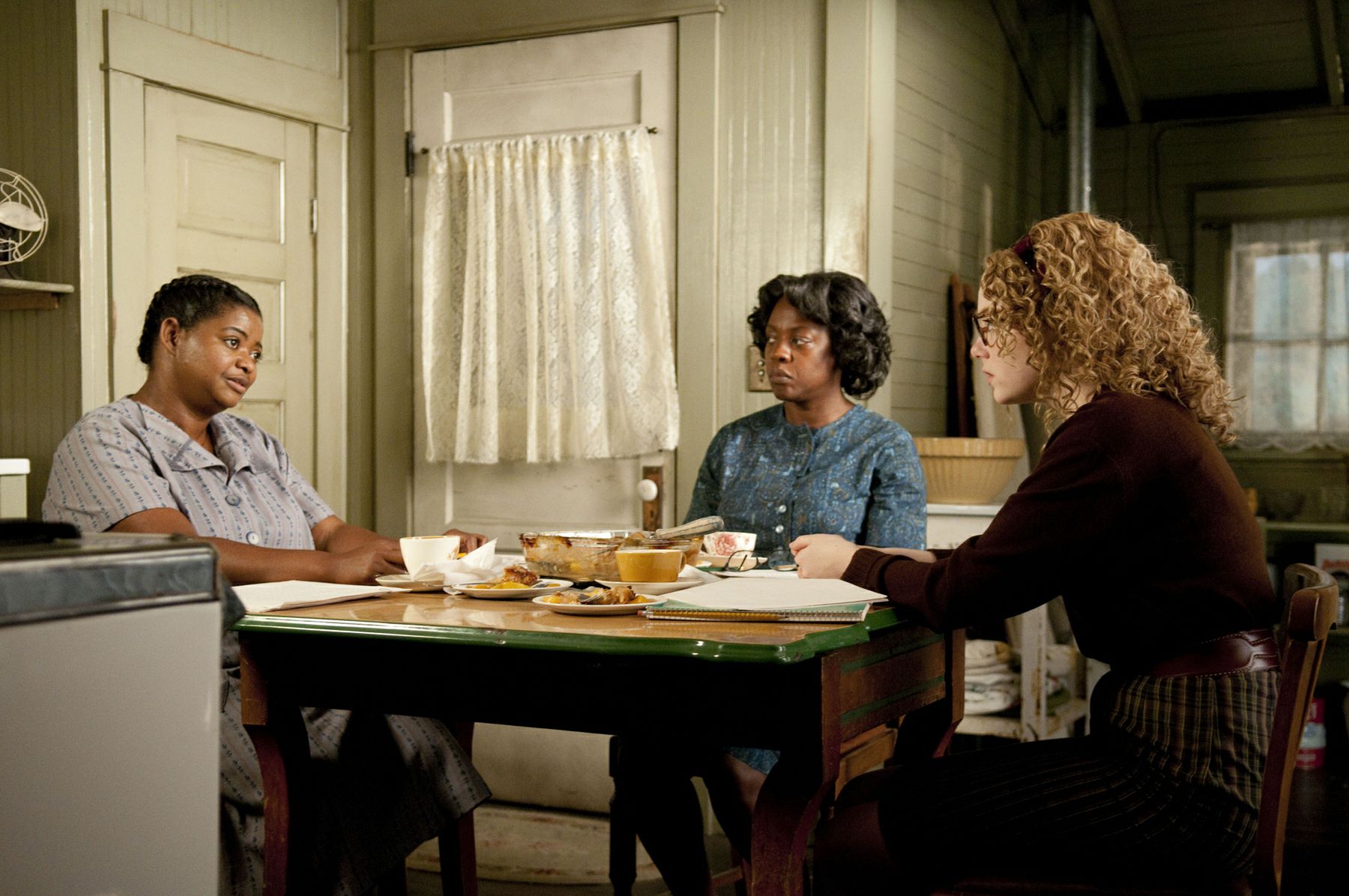
Directed by Tate Taylor and adapted from Kathryn Stockett’s bestselling novel, The Help unfolds through the intersecting stories of three women. There is Skeeter Phelan (Emma Stone), a young white journalist returning home with ambitions larger than the social circles that raised her. And then there are Aibileen Clark (Viola Davis) and Minny Jackson (Octavia Spencer), two Black maids whose courage to speak the truth threatens the rigid racial order of their town.
What makes The Help resonate is not its historical setting alone, but its emotional precision. The film avoids sweeping speeches in favor of moments that sting quietly — a look held too long, a door closed without explanation, a rule enforced with casual cruelty. These details accumulate, revealing how segregation operated not only through laws, but through everyday rituals disguised as “politeness.”
Viola Davis delivers a performance defined by restraint. As Aibileen, her silences speak volumes, culminating in a monologue that remains one of the film’s most devastating moments. Octavia Spencer, meanwhile, brings sharp humor and defiance to Minny, a character who refuses to be diminished — and whose presence injects the film with both levity and righteous anger. Spencer’s performance earned her the Academy Award for Best Supporting Actress, a win widely viewed as both deserved and overdue.
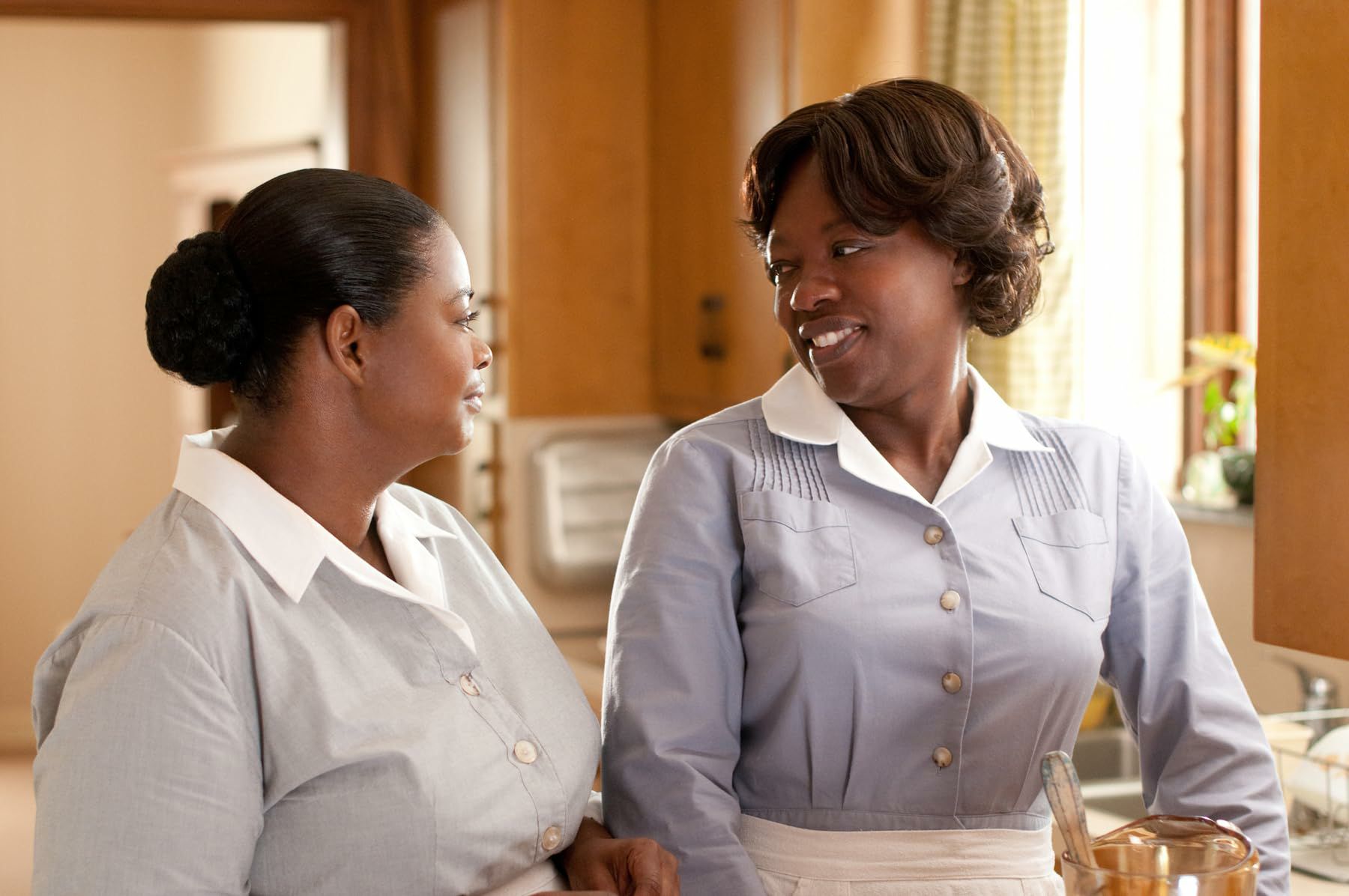
Critically, The Help sparked conversation from the moment it premiered. Many praised its performances and accessibility, while others questioned whether the story relied too heavily on a white savior framework. Yet even amid debate, the film undeniably opened doors. It placed Black women’s stories — their pain, resilience, and complexity — at the center of a major studio release, reaching audiences far beyond arthouse circles.
Commercially, the film became an unexpected success, grossing over $220 million worldwide on a modest budget. Its longevity speaks to its cultural footprint: The Help became a frequent reference point in discussions about representation, historical memory, and whose stories get told — and who gets to tell them.
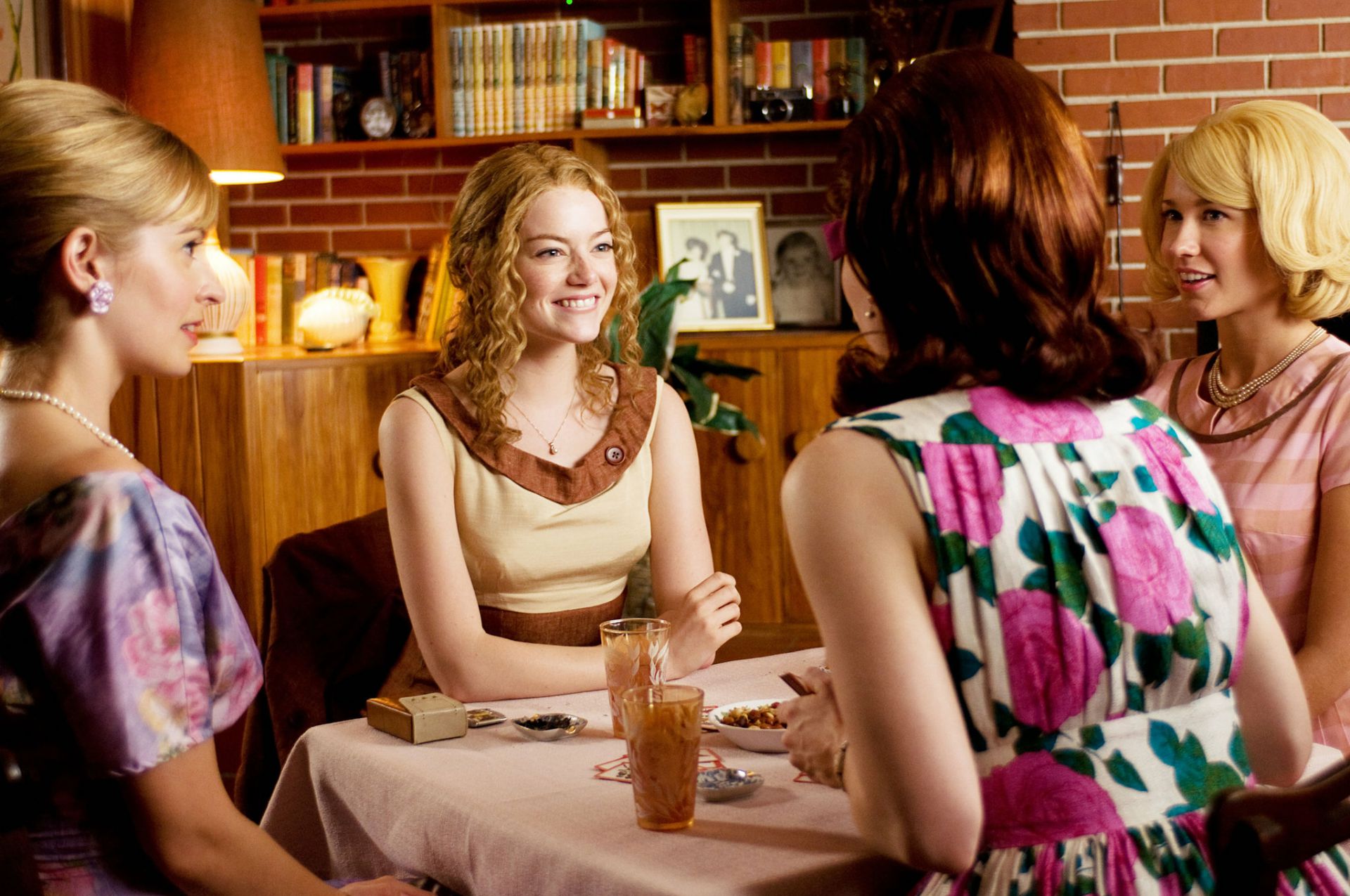
More than a decade later, The Help remains both a product of its time and a mirror held up to America’s past. It does not claim to tell every story, nor does it offer easy absolution. What it does offer is a reminder that change often begins with listening — and that even the quietest voices can reshape the narrative when finally heard.