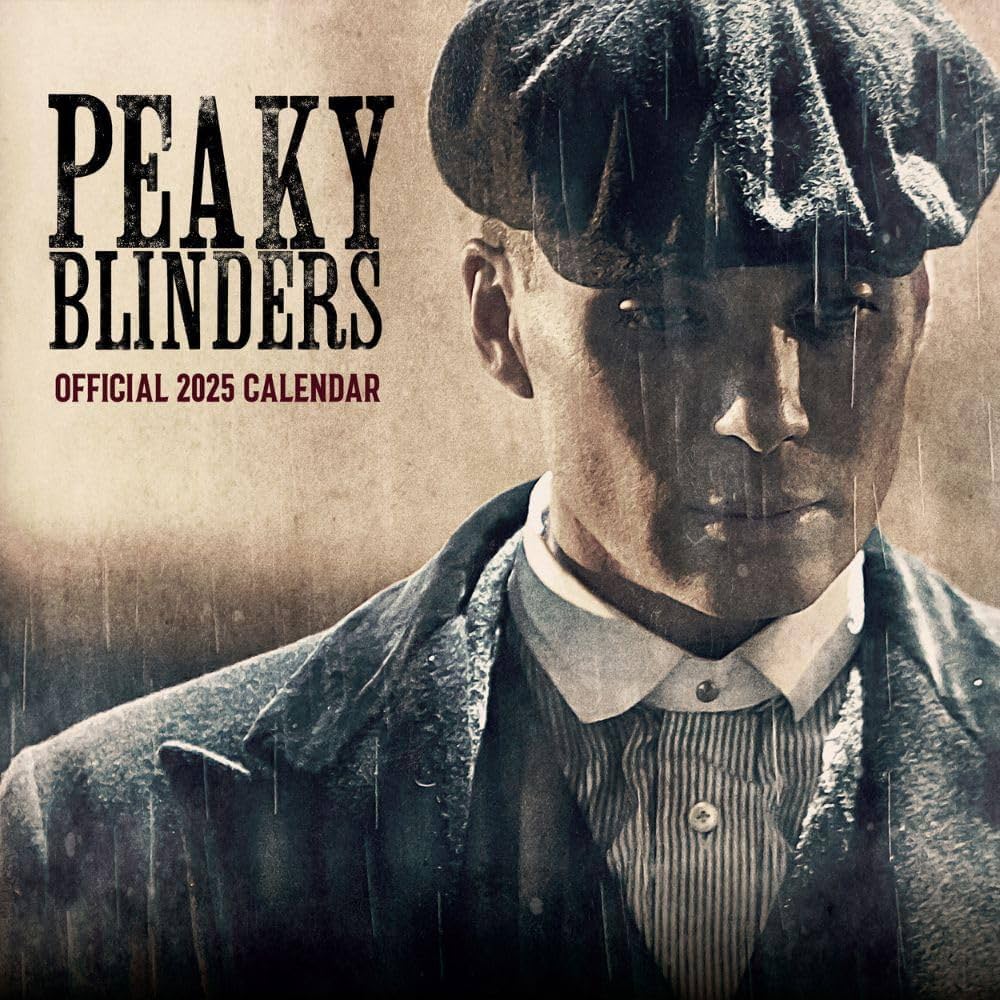
No empire falls in a single moment. It fractures slowly, through doubt, through memory, through the return of ghosts long buried. In Peaky Blinders: The Reckoning (2025), the Shelby dynasty stands on the edge of its own unraveling, as Thomas Shelby faces not just new threats, but the haunting consequences of everything he has done to survive.
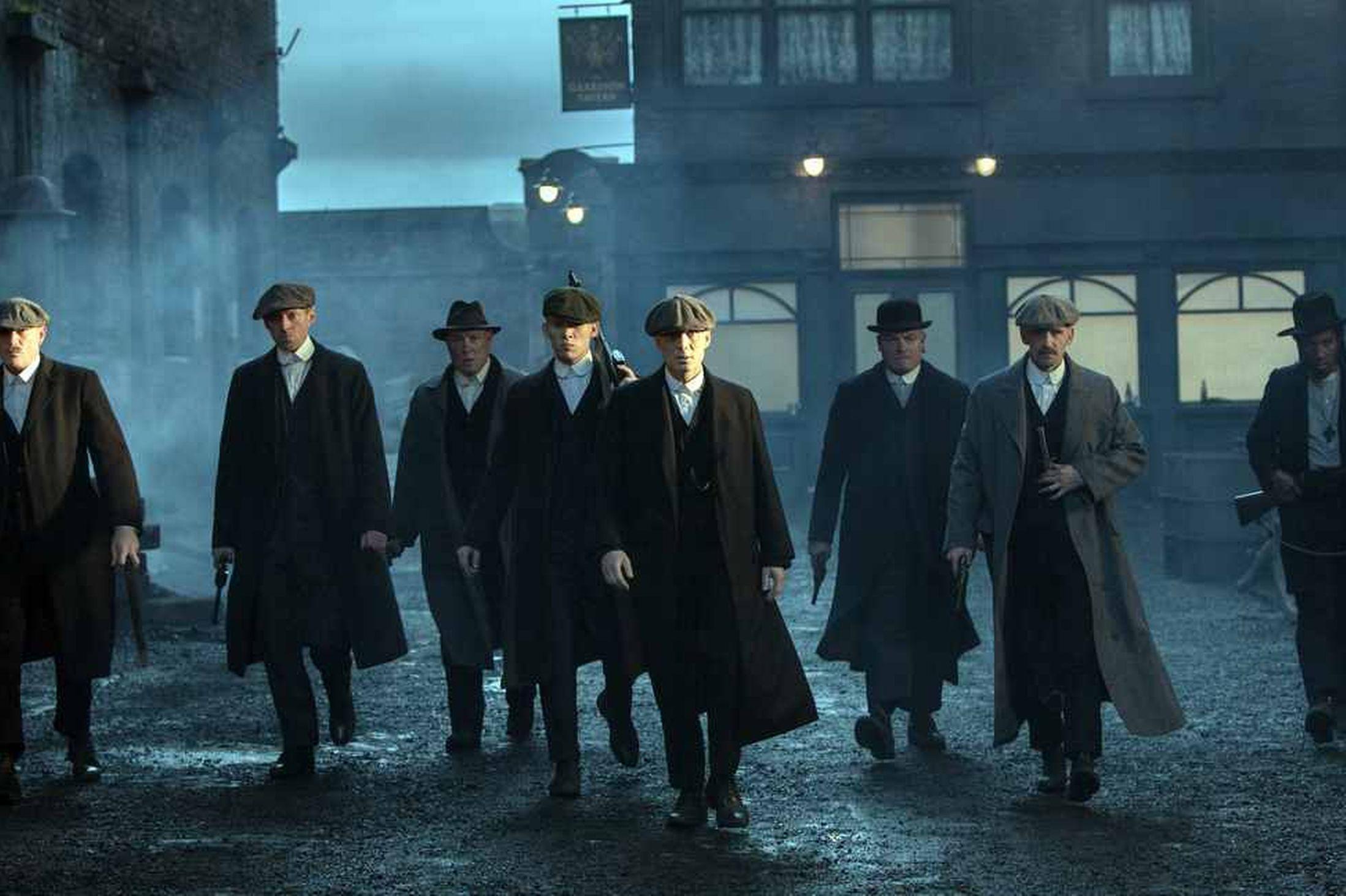
The film opens on a Birmingham that feels restless and wounded. Fires glow in alleyways, factories cough out smoke like warning signals, and conversations in dimly lit pubs carry the sharp suspicion of rebellion. The city itself seems to sense change in the air. It is no longer simply a setting but a living witness to the slow decay of an order Thomas once controlled.
Thomas Shelby, colder and more isolated than ever, finds himself surrounded by uncertainty. Old rivals, once thought forgotten or defeated, return with patience and precision. Their vengeance is not impulsive; it is methodical. Each move they make is designed to strip Thomas of certainty, of stability, of allies. In this world, loyalty has become a fragile illusion, and even family bonds feel strained under the weight of ambition and regret.
Alfie Solomons reemerges as both a savior and a wildcard. His enigmatic presence injects the narrative with sharp wit and danger, forcing Thomas into uneasy agreements that threaten to compromise what little remains of his moral compass. Trust between the two men is never fully real — only mutually necessary.
The director chooses atmosphere over spectacle, letting silence, shadows, and close-up tension speak louder than gunfire. The camera lingers in corridors, on faces carved by experience, and in rooms heavy with memory. When violence erupts, it is sudden and brutal, a reminder of how thin the line between control and chaos has become.
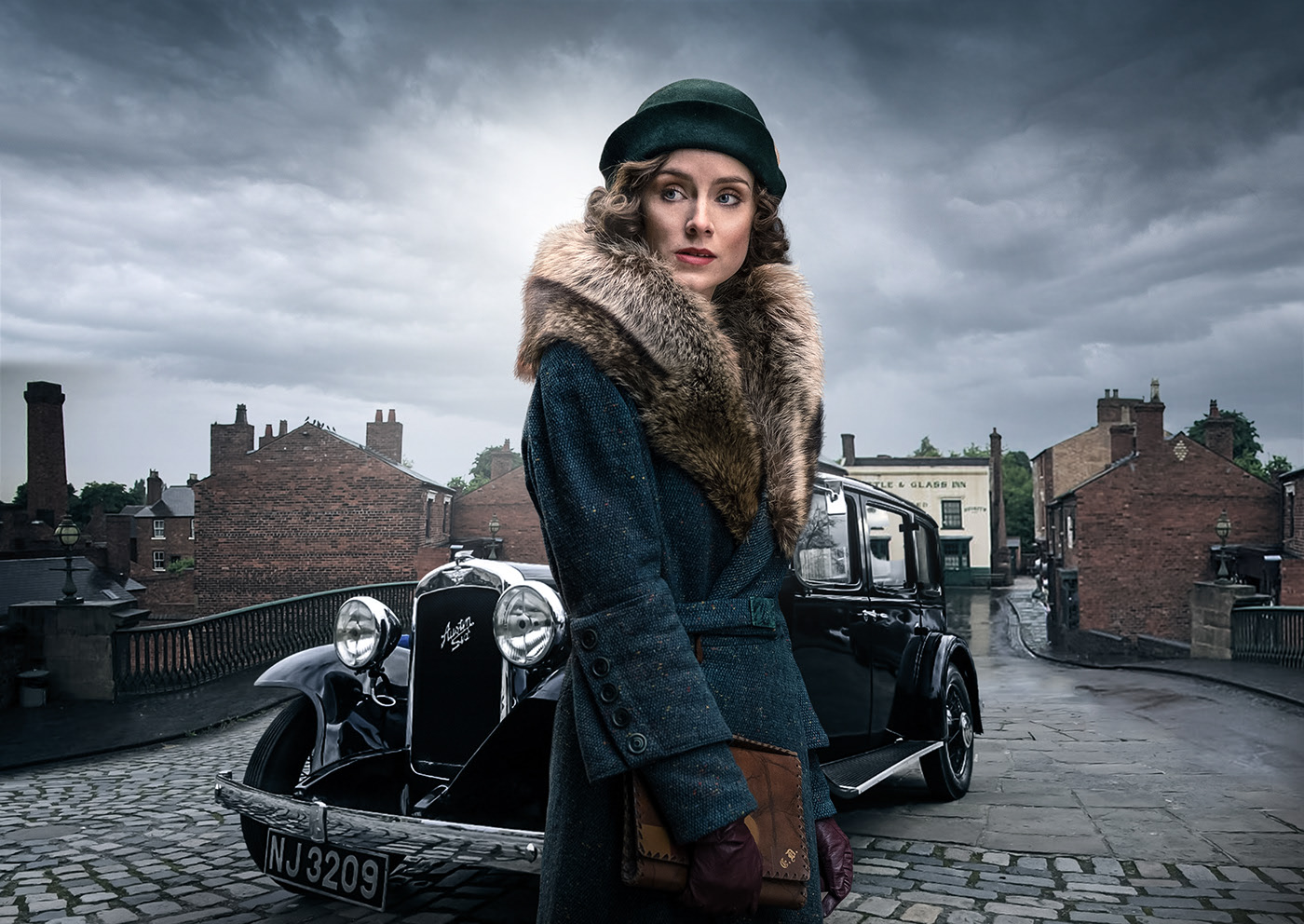
A new and mysterious woman from London enters Thomas’s life, carrying secrets that tie unexpectedly to the Shelby family’s past. Her presence both unsettles and intrigues him, challenging the emotional barriers he has spent years building. At the same time, Polly’s influence — whether in memory, legacy, or unseen strategy — continues to shape the family’s choices, as if her spirit is guiding them through a dark, uncertain future.
More than a crime drama, The Reckoning is a meditation on inheritance, identity, and the cost of power. It asks what remains of a man when his empire begins to collapse around him. Every decision Thomas makes feels like a negotiation with fate, every step forward weighted down by the shadows of his past.
By the end, the audience is not simply watching a story unfold — they are trapped inside it, holding their breath in a world where danger lurks in silence, where history never truly dies, and where redemption may be more terrifying than ruin.